
Cellebrite UFED – The Gold Standard for Mobile Digital Forensics. In the realm of digital forensics, mobile devices have become the primary source of evidence in most investigations. Smartphones contain a treasure trove of user data: communications, location history, photographs, financial transactions, and application usage patterns. Extracting this data reliably and forensically is a critical challenge. Cellebrite UFED (Universal Forensic Extraction Device) has long been the industry leader in mobile device forensics, providing law enforcement, military, and corporate investigators with the tools to access and analyze data from thousands of mobile devices. This post explores the capabilities, workflow, and significance of Cellebrite UFED in modern digital investigations.
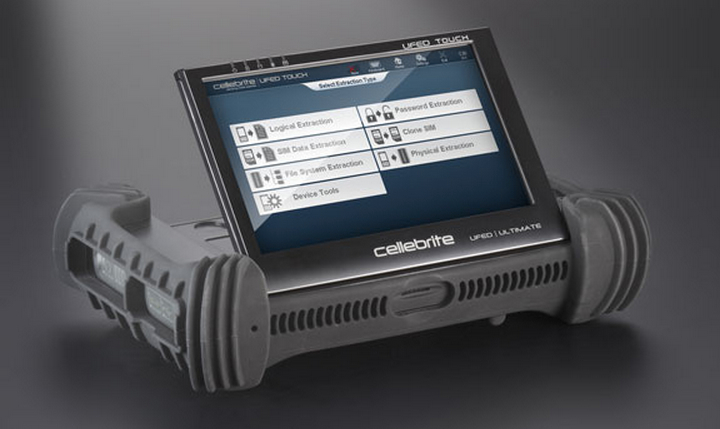
What is Cellebrite UFED?
Cellebrite UFED is a comprehensive mobile forensics solution developed by Cellebrite, a subsidiary of the Japanese technology conglomerate Sun Corporation. The platform is designed to extract, decode, analyze, and report on data from mobile phones, tablets, drones, and even some IoT devices. Unlike many forensic tools that focus solely on logical extraction, UFED is renowned for its advanced physical and chip-off extraction capabilities, which allow investigators to access data that is otherwise inaccessible through standard operating system interfaces.
The UFED ecosystem includes hardware components such as the UFED Touch2 or UFED 4PC software, alongside a vast library of extraction cables and adapters. It supports thousands of device models across major manufacturers including Apple, Samsung, Huawei, Google, Xiaomi, and many others. The platform is continuously updated to address new security features, operating system versions, and applications, ensuring that investigators can keep pace with the rapidly evolving mobile landscape.
Extraction Methods: From Simple to Advanced
One of UFED’s greatest strengths is its ability to perform multiple levels of data extraction, each suited to different investigative scenarios and device conditions.
Logical Extraction
This is the most basic and non-intrusive extraction method. It uses the device’s built-in backup and synchronization protocols, such as the Apple iTunes backup mechanism or Android’s ADB backup. Logical extraction retrieves user data that is accessible through the operating system, including contacts, call logs, messages, calendars, and media files. While limited compared to more advanced methods, it is fast, reliable, and can be performed on locked devices with the correct passcode.
File System Extraction
This method goes deeper than logical extraction by accessing the device’s underlying file system. It retrieves a full directory structure and copies all accessible files, including deleted data that has not yet been overwritten. File system extraction is typically more time-consuming and may require a jailbreak or root access. However, it provides significantly more data than logical extraction and is often sufficient for most mobile investigations.
Physical Extraction
Physical extraction is UFED’s most powerful acquisition method. It involves creating a bit-for-bit image of the device’s internal memory, similar to imaging a computer hard drive. This method recovers virtually all data on the device, including deleted files, system logs, and data from hidden partitions. Physical extraction typically requires advanced techniques such as bootloader unlocking, JTAG, or chip-off. It is highly effective on older devices or those with less robust security, but can be challenging on modern devices with full-disk encryption. For these devices, UFED often leverages exploits to bypass security mechanisms and extract the physical image while the device is powered on.
Chip-Off Extraction
In cases where the device is physically damaged, severely locked, or cannot be accessed through other methods, UFED offers chip-off extraction. This involves physically removing the memory chip from the device’s circuit board and reading its contents using specialized hardware and software. Chip-off is a destructive and advanced technique that requires significant expertise and is typically reserved for the most critical investigations. It is also the only method that can recover data from a device that is entirely non-functional.
Core Capabilities Beyond Extraction
Advanced Decoding and Analysis
Extracted data is of little use without proper decoding and analysis. UFED includes a robust analysis engine that decodes data from thousands of applications, including messaging apps, social media platforms, email clients, and third-party services. The tool also reconstructs deleted records, identifies file signatures, and maps data into a cohesive timeline. This decoding capability is particularly valuable for recovering data from encrypted chat applications, many of which leave traces on the device even after messages are deleted.
Password and Lock Bypass
A significant portion of mobile investigations involves locked devices. UFED provides various methods to bypass or circumvent locks, ranging from brute-force attempts to sophisticated vulnerability exploits. These methods are device- and OS-specific and are regularly updated as new security patches are released. While not all devices can be bypassed, UFED offers one of the broadest and most successful password bypass capabilities in the industry.
Cloud Data Acquisition
Recognizing that modern smartphone data often resides in the cloud, UFED has expanded to include cloud extraction capabilities. Examiners can, with proper legal authority, retrieve data from iCloud, Google Drive, and third-party services, even if the physical device is unavailable or locked. This significantly broadens the scope of a mobile investigation, especially in cases where the device has been destroyed or disposed of.
Reporting and Integration
UFED generates detailed, court-admissible reports that include all extracted data, metadata, and acquisition logs. Reports can be exported in multiple formats, including PDF, HTML, and custom XML. The platform also integrates with other Cellebrite products, such as Cellebrite Physical Analyzer for in-depth analysis and Cellebrite Reader for secure sharing of case files. This integrated ecosystem allows for a seamless workflow from extraction through reporting.
Strengths and Considerations
Strengths
- Market Leadership: UFED is the most widely recognized and trusted mobile forensics tool globally, with extensive government and law enforcement adoption.
- Comprehensive Device Support: It supports an unrivaled number of device models and operating system versions.
- Advanced Extraction Methods: Physical and chip-off extraction capabilities are industry-leading, enabling recovery in challenging cases.
- Lock Bypass Capabilities: UFED offers the most extensive and successful password bypass methods available.
- Continuous Updates: Cellebrite actively monitors mobile security developments and releases updates to maintain compatibility and bypass capabilities.
Considerations and Limitations
- Cost: UFED is one of the most expensive forensic tools on the market, with licensing fees ranging from $10,000 to over $50,000 per year depending on features.
- Complexity: Advanced extraction methods require significant training and expertise to perform correctly.
- Encryption Challenges: Modern devices with strong encryption, particularly recent iOS devices, can be impossible to extract physically without the passcode.
- Legal Constraints: Some bypass methods exploit vulnerabilities that may be subject to legal restrictions in certain jurisdictions.
- Resource Intensity: Physical extractions and large cases can be time-consuming and require substantial processing resources.
Comparing UFED to Other Mobile Forensic Tools
In the mobile forensics space, UFED’s primary competitor is Magnet AXIOM. While both tools offer mobile extraction and analysis, they take different approaches. UFED is widely considered superior in the acquisition phase, offering more extraction methods, broader device support, and more advanced bypass capabilities. Magnet AXIOM, on the other hand, is often praised for its analytical environment, which unifies mobile, computer, and cloud data into a single interface. In practice, many labs use both: UFED for extraction and AXIOM for analysis, though UFED’s own analysis tools continue to evolve and close the gap.
Compared to open-source or lower-cost alternatives, such as Autopsy or commercial tools like Oxygen Forensics, UFED maintains a significant lead in physical extraction and locked device access. For cases where only logical extraction is required, cheaper tools may be sufficient, but for high-stakes investigations where no data can be left behind, UFED remains the preferred choice.
Practical Workflow
A typical UFED investigation follows a structured process. The examiner begins by identifying the device model, operating system, and lock status. Based on this, the examiner selects the appropriate extraction method—logical, file system, or physical. The extraction is performed using UFED hardware and software, which generate a forensic image or dataset. The extracted data is then transferred to Cellebrite Physical Analyzer or another analysis tool for in-depth examination. During analysis, the examiner decodes artifacts, builds timelines, searches for keywords, and bookmarks relevant evidence. Finally, a detailed report is generated for legal proceedings or internal documentation.
Example Case Scenario
Consider a homicide investigation where a suspect’s iPhone is seized. The device is locked with a passcode. The examiner uses UFED’s advanced extraction method, which leverages a vulnerability to bypass the lock and perform a physical extraction. The extracted image reveals messages, call logs, and location history that place the suspect at the crime scene. The data is decoded, analyzed, and compiled into a court-ready report. Without UFED’s physical extraction and lock bypass, this critical evidence might have remained inaccessible.
Conclusion
Cellebrite UFED has earned its reputation as the gold standard for mobile digital forensics. Its unparalleled extraction methods, extensive device support, and advanced bypass capabilities make it indispensable for law enforcement and serious investigations. While its cost and complexity are significant, the value of recovered evidence often justifies the investment. In an era where smartphones are central to both daily life and criminal activity, UFED provides the means to access and analyze this crucial data source with forensic integrity.
Official website: https://cellebrite.com/en/ufed/

