Usb Flash Drive Data Recovery
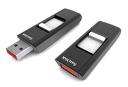 USB flash drives have become one of the major sources of data transferring sources since 2000. And along with this, the rate of data failure due to virus attacks and device failures is also increasing day by day. Many data recovering software products are available in the market but due to the lack of knowledge and mishandling even a simple recovery becomes a nightmare for the user.
Many a time we lose important information from the USB flash drive by accident. Find out here how to do a USB Flash Drive Data Recovery by using some simple methods.
Most of us use the USB (Universal Serial Bus) flash drive for storing necessary data that has to be transferred from one system to another. A USB flash drive is an external data storage device that allows the user to store data temporarily. This data can be transferred from one system to another by connecting the flash drive to a particular system’s external hard drive port, i.e. the USB port. A USB flash drive is popularly known as a pen drive. It is a very convenient and handy device but sometimes the USB flash drive fails to operate due to some unknown reasons. Given below are some methods for USB flash drive recovery.
Tips for USB Flash Drive Data Recovery
Many times your USB flash drive does not open when you click on the icon that appears in the windows browser after you connect the USB flash drive to the USB port of the CPU. This may happen if the USB drive is corrupted or if some computer virus has entered the drive. In such cases, the first thing to try is to right click and select Open/Explore.
If neither of the two options work, then try scanning the drive with an antivirus software. If the pen drive is not working due to virus, scanning the pen drive with an effective antivirus is a good option for USB flash drive data recovery and can restore the USB.
If scanning also does not help, the only option left is to format the drive. Formatting will erase all the files from the drive, therefore, before formatting, create a backup of all your important files. To format the drive, right click on the drive icon, select format, select quick format option on the format window, follow the ‘prompt’ messages (something like a warning message saying that ‘if you format your drive, all the data stored in it will be lost’), select OK or Cancel (this will stop the format process). The quick format takes few minutes, depending on the size of the data to be erased. Once the formatting is done, your USB will become as good as new and you can use it as before.
Well, I hope you know how to format your computer ’cause sometimes even this option fails and you have to format the flash drive in a more tedious way. For this method, you will need a bootable CD (compact disk) of your operating system. Restart your desktop computer after you have inserted the bootable operating system CD in the CD drive and let the USB flash drive be connected to the USB port. When the computer is restarting, press F8/F2/Del key (depending on your configuration) immediately. Browse to the booting configuration options and change the first bootable device to your CD drive. Now, save the changes and restart your computer. Your PC will start booting from the CD and the installation process will begin. Follow the ‘prompt’ messages till the point where the window will display the names and sizes of all the existing drives. Here you have to select the drive indicating your USB drive and select format option. The USB will get formatted. Now, if you want to continue with the installation process, go ahead, else repair the existing operating system or you can quit. Be assured your flash drive will be formatted and will work fine.
If the matter is more serious than this, search for the warranty card (hope you can find it and hope the warranty period is not expired) and take the USB flash drive straight to the dealer.
That was a brief about the methods of USB flash drive data recovery. However, to avoid any of the above situations, treat your USB flash drive well. Do not remove the drive without stopping it. Always go to the lower right side of your screen on the taskbar where a green arrow appears after you have connected the USB, click on it and click on your USB flash drive name. Only after the message ‘Remove Drive Safely’ appears, physically remove your USB drive, else go to the icon of the USB drive, right click on it and select ‘Eject’. Also, never remove the USB while some data transfer is going on from a computer to USB or vice-versa. Doing so may corrupt your data. Never leave any file or folder of the USB open when you want to disconnect or remove the USB flash drive. This can also cause some serious problems to the data as well as to the drive.
Hope the above USB flash drive data recovery methods will help you in your attempts at repairing your USB! And if you have any experiences or additional methods of repairing the USB, please feel free to share them here.
Data recovery handled professionally is the best solution for any kind of data loss from your pen drive, hard drive, memory stick or any other storage device. A systematic scan of the damaged device is essential for starting the right type of action for each attempt at data recovery. Depending on your file system combination, the drives operating system and document types there are different ways to handle data loss.
It is always best to consult with expert guidance for scanning and determining your data loss type and severity because even a minor mistake can permanently erase your files and data forever.