
TOKIWA DataRecovery is a lightweight, completely free data recovery utility designed to retrieve permanently deleted files from various storage devices. Developed by a Japanese programmer named TOKIWA, this portable tool offers a no-installation, no-frills approach to undeleting files that have been removed using Shift+Delete or emptied from the Recycle Bin.
Data recovery software is designed to provide safe retrieval of data from accessible storage media. TOKIWA DataRecovery can help recover photos, documents, and other common file types lost due to accidental permanent deletion, allowing you to restore files that would otherwise be lost.
TOKIWA DataRecovery works with storage devices of various capacities and supports Windows operating systems from Windows 9x through Windows 7 and beyond. The utility is notable for its extremely small file size (approximately 196KB) and its ability to run directly from a USB drive or floppy disk without any installation.
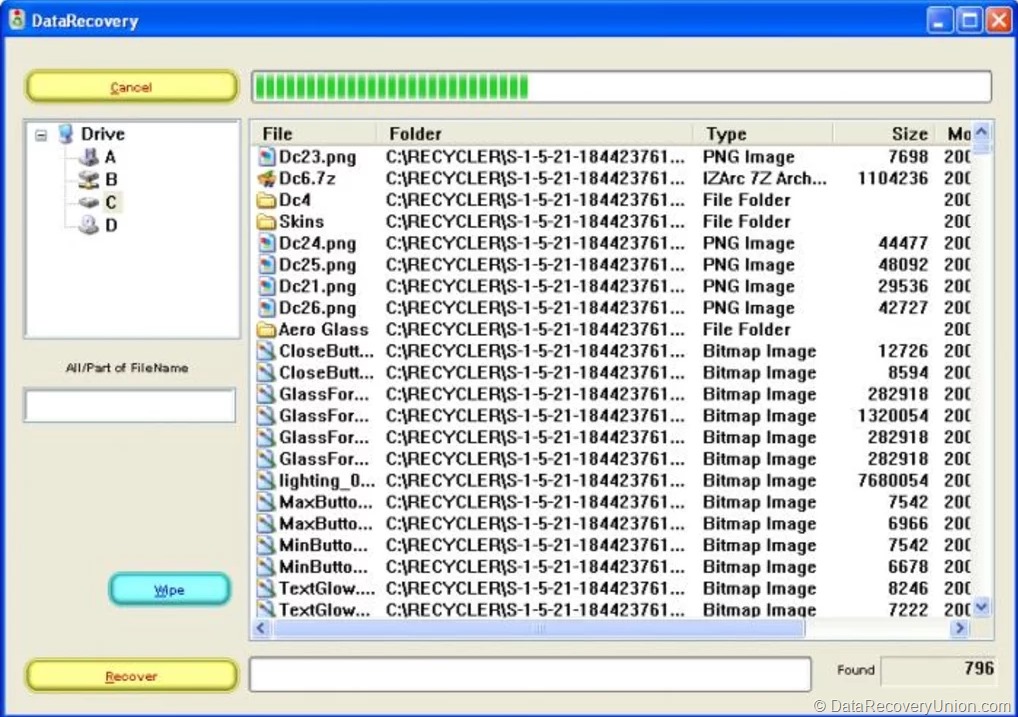
Key Features of TOKIWA DataRecovery
Here are the key features typically associated with TOKIWA DataRecovery:
Comprehensive File System Support
- FAT12, FAT16, FAT32: Supports older file systems commonly found on USB drives and legacy systems.
- NTFS: Supports modern Windows file systems including NTFS compressed files.
- EFS Encrypted Files: Can undelete files encrypted with Windows Encrypting File System.
Portable and Lightweight Design
TOKIWA DataRecovery is designed to be as lightweight and portable as possible:
- No Installation Required: The utility runs directly from the executable file without any installation process.
- Extremely Small File Size: The entire program is approximately 196KB, making it one of the smallest data recovery tools available.
- USB/Flash Drive Compatible: Can be run directly from USB memory sticks, floppy disks, or any removable media.
- No Registry Changes: Leaves no traces in the Windows registry when deleted.
Key Recovery Capabilities
- Permanent Deletion Recovery: Recovers files deleted using Shift+Delete or emptied from the Recycle Bin.
- Quick Scan Speed: Known for its fast scanning speed, capable of recovering recently deleted files in just minutes.
- Normal and Full Scan Modes: Offers both normal scanning and a more thorough “Full scan” for NTFS drives, useful for quick-formatted drives.
- Directory Recovery: Can undelete entire directories of files at once.
Advanced Features
- Secure File Wiping: Includes the ability to permanently wipe out deleted files so they can never be recovered again (writes NULL to disc).
- Search by Partial Name: Allows searching for files using partial string matches in file names.
- Multiple File Selection: Supports selecting multiple files for recovery using Shift or Ctrl keys.
- Sortable Columns: Results can be sorted by clicking column headers (name, type, size, date modified, attributes).
- Rename Before Recovery: Files can be renamed by right-clicking on them in the list before recovery.
User Interface
The interface is plain and simple, designed for intuitive operation:
- Drive Selection: Select the drive to be scanned from a dropdown menu.
- Results Display: Shows file name, type, size, date of modification, and attributes for each found file.
- Easy Recovery: Select files and click “Recover” to choose an output directory.
Supported File Types
TOKIWA DataRecovery can recover all file types since it works at the file system level rather than by file signature. Any file that can be undeleted from the file system is recoverable, including:
| Category | Examples |
|---|---|
| Documents | DOC, DOCX, XLS, XLSX, PPT, PPTX, PDF, TXT, RTF, HTML |
| Images | JPG, PNG, BMP, GIF, TIFF, PSD |
| Audio & Video | MP3, WAV, WMA, AVI, MP4, MOV, WMV, MKV |
| Archives | ZIP, RAR, 7Z, TAR, GZ |
How to Use TOKIWA DataRecovery
Follow these simple steps to recover your lost data using TOKIWA DataRecovery:
- Download and Extract – Download the TOKIWA DataRecovery archive from a trusted source. Extract the ZIP file to a folder on a different drive than the one you want to recover from.
- Run the Program – Double-click the executable file (DataRecovery.exe). No installation is required. Important: You need administrator account privileges to run DataRecovery on Windows NT/2000/XP/Vista/7.
- Select the Drive – Choose the drive letter where files were deleted from the dropdown menu.
- Scan the Drive – Click the “Scan” button or equivalent to begin searching for deleted files. The quick scan is usually very fast. If you cannot find wanted files through normal scan, try the “Full scan” option for NTFS drives (this may take considerable time).
- Browse and Select Files – Review the list of found files. Files are displayed with name, type, size, date modified, and attributes. You can sort by any column by clicking the header. Look for deleted files that appear in the list – on FAT volumes, the first character of the filename may be replaced by “$”.
- Select Files for Recovery – Select one or more files for recovery. Use the Shift key to select a range or Ctrl key to select individual files. You can also undelete entire directories at once.
- Recover Files – Click the “Recover” button and specify an output directory on a different drive to avoid overwriting data. Optionally, you can rename files before recovery by right-clicking on them.
Editions and Pricing
TOKIWA DataRecovery is completely free:
| Edition | Price | Description |
|---|---|---|
| TOKIWA DataRecovery | Free | Complete freeware with no limitations. No registration, no payment, no ads. All features are fully available. |
Note: TOKIWA DataRecovery is one of the few truly free data recovery tools available with no hidden costs, no file size limits, and no premium versions. It is freeware in the purest sense.
System Requirements
Before using TOKIWA DataRecovery, ensure your system meets the following requirements:
- Processor: Any Intel-compatible processor
- RAM: Minimal requirements (approximately 256MB or less)
- Hard Disk Space: Approximately 200KB for the program file
- Supported Operating Systems:
- Windows 9x, Me, NT, 2000, XP, 2003, Vista, 7
- Windows 8 and 10 (may work but not officially supported)
- Permissions: Administrator account required for Windows NT/2000/XP/Vista/7
Known Limitations
While TOKIWA DataRecovery offers a simple and free solution, users should be aware of the following limitations:
- Limited Recovery Capability: The developer explicitly states that DataRecovery does not assure all files can be recovered successfully. Recovery success depends on system configuration and usage patterns.
- No Deep File Signature Scanning: Unlike professional tools, TOKIWA DataRecovery primarily works by scanning file system metadata rather than raw sector signatures, limiting its effectiveness on severely damaged file systems.
- Interface is Dated: The user interface is plain and simple but lacks modern features and visual polish.
- No Advanced Filtering: Cannot refine searches by file type or specific locations (e.g., folders rather than entire drives).
- High System Resource Usage: Despite its small size, the program can take up a massive amount of system resources during scanning.
- Full Scan Takes Time: The full scan option for NTFS drives can take a very long time.
- Not Actively Maintained: The software has not seen recent updates. The latest version is from several years ago.
- Windows 7 Only Officially: While Windows 7 is supported, newer operating systems like Windows 10/11 are not officially supported.
- FAT Filename Issue: On FAT volumes, the first character of deleted filenames is often overwritten and replaced by “$” in the displayed list.
- Physical Damage Not Covered: Cannot recover data from physically damaged drives.
- Overwritten Data Cannot Be Recovered: If lost files have been overwritten, recovery becomes impossible.
Comparison at a Glance
| Feature | TOKIWA DataRecovery | Typical Commercial Competitors |
|---|---|---|
| Price | Free | $50-$150 |
| File Size | ~200KB | 50MB-200MB |
| Installation Required | No (portable) | Usually yes |
| Deep Scan | Basic full scan option | Advanced signature-based deep scan |
| File Preview | Not available | Usually included |
| Secure Wiping | ✓ Included | Sometimes included |
| Latest OS Support | Windows 7 officially | Windows 11 fully supported |
| Active Development | No | Yes |
Common Data Loss Scenarios Where TOKIWA DataRecovery Excels
- Accidental Permanent Deletion: Files deleted using Shift+Delete or emptied from the Recycle Bin – the utility’s primary purpose.
- Quick File Checks: When you need to quickly check if a recently deleted file is still recoverable – the fast scan completes in minutes.
- Portable Recovery Needs: When you need to recover files on a computer where you cannot install software – run directly from a USB drive.
- Legacy System Recovery: Older systems running Windows 7 or earlier are fully supported.
- Recovery from USB Drives: FAT32-formatted USB drives are well-supported.
- NTFS Compressed/EFS Files: Can undelete NTFS compressed and EFS encrypted files.
Compatibility Notes
Users should be aware of the following compatibility notes:
- Administrator Privileges Required: On Windows NT/2000/XP/Vista/7, you must run DataRecovery with an administrator account.
- Secure Wiping on System Drive: On Windows Vista/7, you cannot wipe files in the system drive to protect the OS. Only wipe files you personally created and deleted.
- Norton UnErase Conflict: Norton UnErase may prevent DataRecovery from scanning deleted files properly.
- Runtime Error: If you encounter a “Runtime Error” when scanning a drive, try the Debug version.
- FAT Filename Display: On FAT volumes, the first character of deleted filenames may be replaced by “$” on the displayed list due to how FAT handles deletions.
Final Verdict: Is TOKIWA DataRecovery Right for You?
TOKIWA DataRecovery is a simple, lightweight, and completely free utility for undeleting permanently deleted files. Its portability and small size make it a convenient tool to keep on a USB drive for emergency situations. While not as powerful as professional data recovery software, it serves its niche well.
This software is ideal for:
- Home Users: Perfect for recovering accidentally deleted files without spending money.
- Budget-Conscious Users: The completely free nature with no limitations is a major advantage.
- Portable Recovery Needs: Excellent for keeping on a USB drive for emergency use on any computer.
- Quick Recovery of Recently Deleted Files: The fast scan can recover recently deleted files in minutes.
- Legacy Windows Systems: Users still running Windows 7 or older systems will find full support.
Consider alternatives if:
- You need to recover files from a formatted drive – the full scan option may work but is not as reliable as professional deep scan.
- You need to recover files from a severely corrupted drive.
- You need advanced features like file preview, deep signature scanning, or bootable media.
- You are using Windows 10 or 11 – the software may work but is not officially supported.
- Your drive is physically damaged – professional repair services are required regardless of software.
- You need commercial or professional-grade reliability – TOKIWA is a simple utility, not an enterprise tool.
Pro Tip: After data loss, stop using the affected drive immediately. Do not add new files, run disk repair tools like CHKDSK, or format the drive. The more you use the drive, the higher the chance that lost files will be overwritten. TOKIWA DataRecovery works best on recently deleted files. For the best chance of success, save recovered files to a different drive than the one you’re recovering from.
Official Website: tokiwa.qee.jp/EN/dr.html
Disclaimer: Recovery success depends on multiple factors, including how long ago data was lost, whether the drive has been used since the loss, and the extent of file system damage. The developer explicitly states that not all deleted files can be recovered successfully. No data recovery software can guarantee 100% recovery in all situations. This article is for informational purposes only. All product names, logos, and brands are property of their respective owners.